Christchurch's first Big Sleepout at Te Kaha is being positioned as a winter fundraising test for local leaders, with homelessness services set to receive the money raised by participants who spend a night outside.
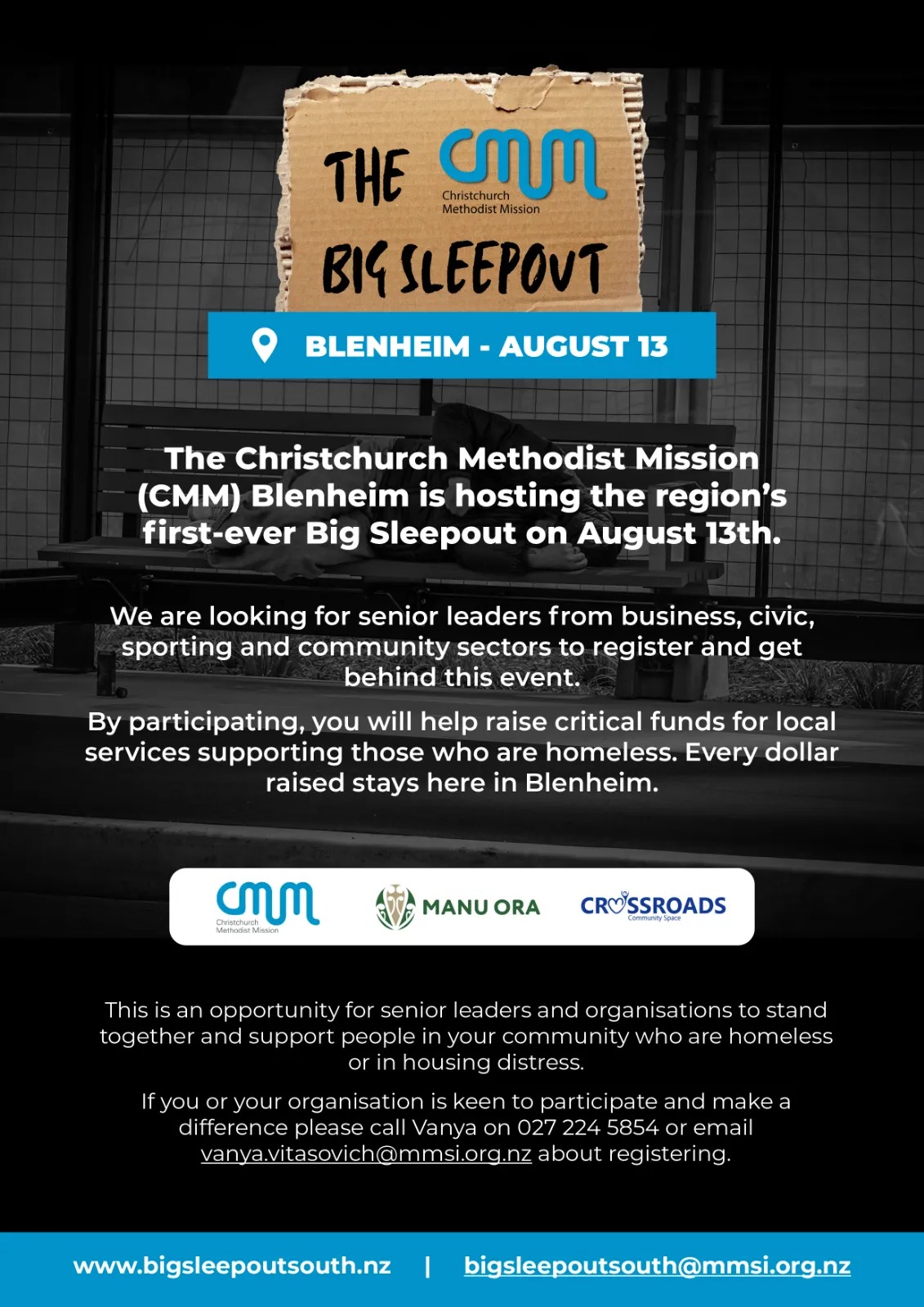
Kotuitui's event listing says Christchurch Methodist Mission will host the region's first Big Sleepout on 13 August 2026, with senior leaders from business, civic, sporting and community sectors being encouraged to register. Related public material from Christchurch Methodist Mission and Housing First Christchurch identifies One New Zealand Stadium at Te Kaha as the Christchurch site, with Blenheim also included in the southern event.
The model is deliberately uncomfortable. Participants give up their beds for one night and sleep on cardboard in a central location, while raising money for services that support people who are homeless or in housing distress. The point is not to recreate homelessness for a night, because that would be impossible and misleading. The point is to use a visible act of solidarity to raise funds, attention and practical backing for organisations doing the work every week.
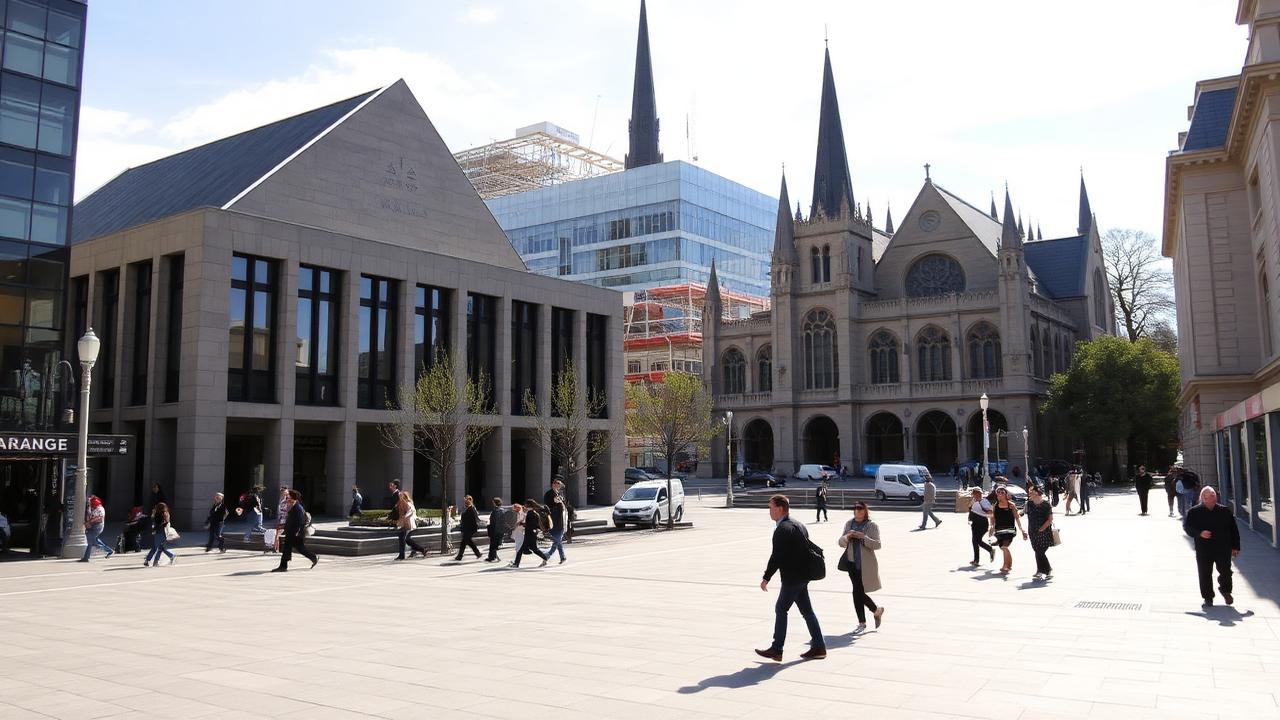
For Christchurch, the venue choice is significant. Te Kaha has quickly become a symbol of the city's rebuilt civic infrastructure: a covered stadium designed for sport, concerts and major events. Holding a sleepout there places housing distress beside one of the city's most visible new public assets. That contrast is useful if it is handled carefully. It can remind civic and business leaders that a successful city is measured not only by event capacity, but also by whether vulnerable residents have pathways to stable housing and support.
The event also asks a direct question of leaders. Homelessness and housing stress are often discussed in policy language, but frontline services need money, partnerships, volunteers, landlords, employers, health support and public patience. A sleepout can raise funds quickly, but its stronger value may be the relationships it builds between business leaders, community agencies and civic decision-makers who can help long after the night ends.
The local pressure is easy to understand. High rents, insecure work, family breakdown, addiction, mental health needs, debt, disability, domestic violence and limited emergency housing options can all push people toward housing crisis. Once someone is homeless or close to it, small problems become harder: storing belongings, keeping appointments, staying healthy, applying for work, keeping children settled and accessing regular meals. Services such as Housing First and Christchurch Methodist Mission work in that difficult space where housing, social work, health and trust have to line up.
The timing in mid-August is part of the message. Winter makes housing insecurity harsher, especially for people sleeping rough, moving between temporary beds or living in cold and overcrowded places. Asking leaders to spend one winter night outside is symbolic, but symbols can still move money and attention when they are tied to credible local services.
The challenge will be to keep the event from becoming a one-night photo opportunity. Christchurch residents should look for clear fundraising totals, transparent use of funds and follow-up commitments from participating organisations. If those pieces are visible, the Big Sleepout can be more than a novelty. It can become a practical bridge between people with influence and the local agencies trying to reduce homelessness before more families reach crisis point.