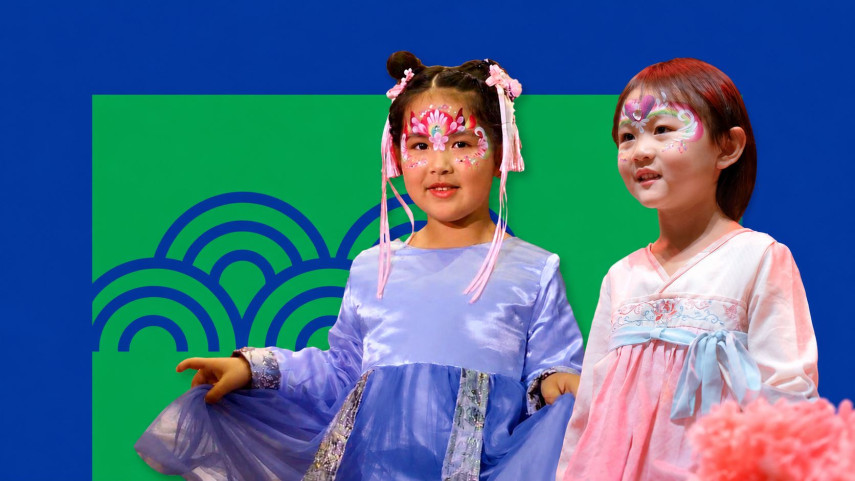
The 2026 Asian Arts Festival is bringing a full day of contemporary Asian culture to The Arts Centre in central Christchurch on Sunday, giving the city a winter event built around performance, visual art and community expression.
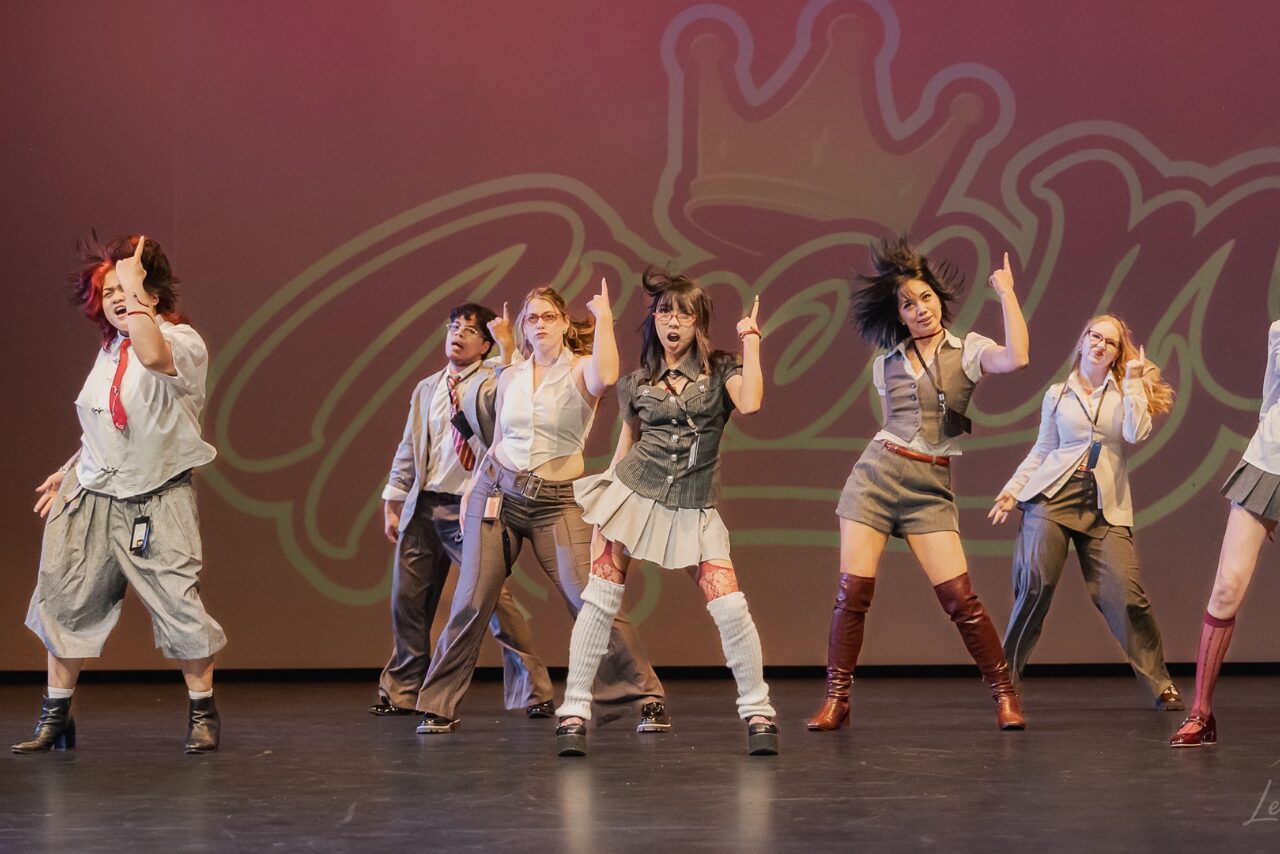
Christchurch City Council's What's On listing places the festival on 19 July 2026. The weekend guide says the event will bring together artists from countries and regions including China, Japan, South Korea, India, the Philippines, Vietnam, Iran and Bangladesh. The programme is described as including painting, photography, music, dance, theatre, installation and video art.
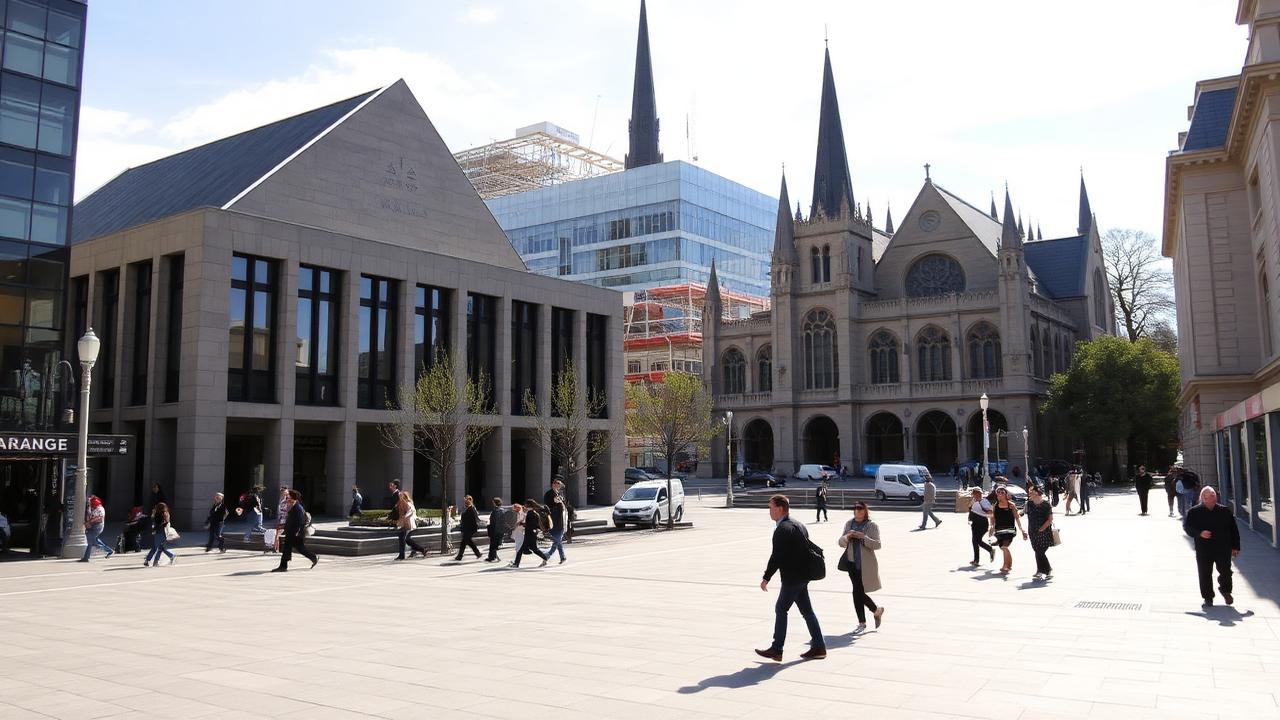
The location is significant. The Arts Centre sits at 2 Worcester Boulevard and remains one of Christchurch's most recognisable cultural precincts. Holding the festival there gives the event central-city visibility and places contemporary Asian art inside a heritage site already associated with public gathering, galleries, performance and education.
For Christchurch, the festival is more than another item on a school-holiday calendar. The city has large and growing Asian communities, and public cultural events help shape whether that diversity is visible in everyday civic life. A festival that spans multiple art forms and national backgrounds can do something a single concert or exhibition cannot. It gives audiences a wider view of how culture is carried through food, movement, sound, visual practice, storytelling and new media.
The timing also matters. July can be a quiet month for central-city foot traffic, especially when weather is cold and families are coming to the end of the school-holiday period. A Sunday festival from late morning through the afternoon gives people a reason to come into the central city, support nearby hospitality and spend time in a precinct that depends on repeat local use as much as visitor traffic.
Event programming like this also helps Christchurch avoid treating multicultural activity as something occasional or symbolic. When Asian artists and communities are given space in a mainstream city venue, the result is a more accurate picture of the city as it is now. Christchurch's cultural identity is not fixed around one story. It is being reshaped by migration, international education, small businesses, families, creative networks and younger residents who move between several cultural worlds.
The source material does not provide a full artist-by-artist schedule, so readers should check the official event listing for the latest programme details before travelling. The confirmed public facts are the date, venue, broad programme type and the cultural regions represented. That is enough to make the festival a clear events story, but not enough to invent specific performers or exhibition names.
The practical value for families and casual visitors is accessibility. A broad arts festival can suit people who do not normally attend galleries or formal performances because it offers several points of entry. Someone may come for dance, stay for photography, listen to music, discover installation work or simply spend an hour in the Arts Centre. That mix is why multidisciplinary festivals are useful for city culture.
The festival also sits alongside a busy 19 July calendar that includes KidsFest activities, sport and community events. That competition for attention is a sign of a healthy winter programme rather than a problem. The challenge for Christchurch is to keep these events visible, easy to reach and well supported so that residents see the central city as active through the colder months, not only during summer or major ticketed festivals.